
 Paula Joye has dedicated the last 20 years of her life to beauty, fashion and style. When I met her in the early days of my fulltime features-writing career, she was the deputy editor of CLEO, a gorgeous (still is, see below), bubbly blonde with endless reserves of encouragement (for people like me) and unlimited potential (for her).
With a solid-gold background in beauty and fashion editing in her portfolio, I could think of no better person to ask about beauty and fashion writing. It’s a very specific niche in the publishing world (both print and online) and it calls for a particular set of skills. Not least of which is being able to write down, off the top of your head, at least a dozen different alternatives for each of these words: hair, skin, eyes, fragrance. Trust me, it’s not as easy as it looks…
What are the three main skills you need to be a good fashion or beauty writer?
PJ: “1. You must love it, otherwise it will melt your brain. The way to find true satisfaction when specialising in any subject is passion – if you kinda like shoes or sorta think mascara is awesome, it’s never going to be for you.
“2. Have an opinion. This separates the wheat from the chaff. The best beauty and fashion writers have a point of view that is engaging, 360 and often humorous or self-deprecating. It’s not rocket science and shouldn’t be written as such.
“3. Luck. Right place. Right time.”
I think it’s an area of writing that people think is easy – but anyone who’s tried to write a hair story and come up with 33 different ways to say ‘hair’ (without repeating yourself) knows differently. What are the keys to getting it right?
PJ: “Finding 33 different words for hair! Creativity is key and the big one is to avoid cliches. It is an area riddled with them – find a new angle, throw the net wider, and don’t say stuff like ‘sun, sand and salt water can wreak havoc on your locks’. Just don’t.”
Of course, there’s more to it than just the writing. Fashion and beauty editors spend a lot of time away from their desks, viewing collections, attending product launches, etc. Is relationship-building a vital tool in the fashion or beauty writer’s arsenal?
PJ: “One hundred per cent. It’s your mainline to experts, new information, inspiration – it’s the front line. The industry is about contacts and runs on the board – a big part of that is the network you create.”
How do I break into this area if it’s something I’m passionate about?
PJ: “You can do it. Make sure you really want it (because it’s hard) and then dig your heels in. Work experience is essential. Try to get an internship within a magazine, newspaper or television fashion or beauty department. Start a blog or website as an outlet for your writing – and to become your CV.”
Would you agree then that any potential fashion/beauty writer/editor needs a blog? What do you think are the key ingredients of a standout fashion/beauty blog?
PJ: “You should only create a blog if you’re passionate about it – no matter what the subject matter. Yes, it’s a great way to express your creative point of view and self-publish, but it’s also a beast that needs to be fed. Daily.
“Find your sticky point – and for everyone that will be different. The key to success is recognising the ‘thing’ that people are visiting your blog for, and capitalising on it.
“A wise editor once said (and man, it’s true), ‘Should we give the readers more of what they want? Or less?’
“It’s actually that simple.”
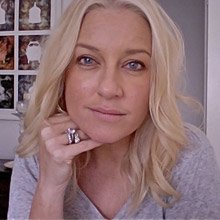 Visit Paula at thejoye.com for everything you ever wanted to know about fashion, beauty, home, heart… and fun.

0 Comments