

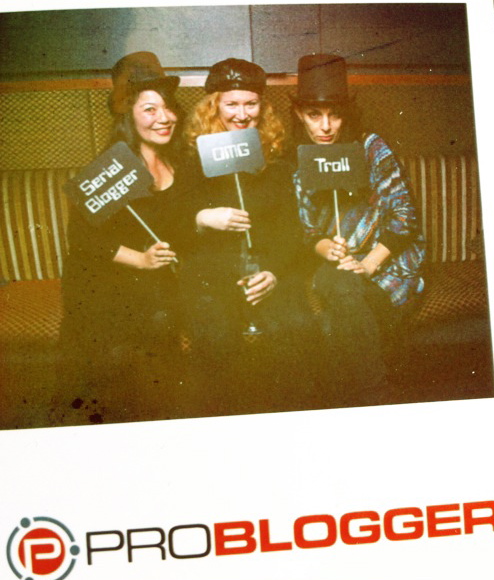
These five tips are gleaned from a conference panel I did with Valerie Khoo and Kerri Sackville called ‘How to use your blog to get paid writing opportunities’.
This is a summary of our five key points on how to find writing work beyond your blog. Hope you find it helpful!
HOW TO USE YOUR BLOG TO FIND PAID WRITING WORK
1. Be clear on who you want to be.
Take some time to work out what kind of writing work you’d like to do and then position your blog to reflect it. Make sure your bio outlines any experience you have, and says that you are a writer and that you’re looking for opportunities.
If your bio says ‘loves drinking tea and eating cupcakes’, chances are people will pop by and enjoy a warm read with you.
If it says ‘writer’, people may go looking further for other examples of your work. Sometimes the most difficult part of beginning a writing career is accepting that you are allowed to call yourself a writer.
2. Realise that just starting a blog is not enough.
A blog is a great place to highlight your writing skills – but you have to get beyond the blog to sell those skills. Use your blog to build networks to help you find work. Make connections on Twitter. Follow other writers, look for editors and publishers. Ask questions. Put your name and your blog in front of people who might have opportunities for you.
3. Ideas matter.
If you read my guest post at Styling You, you’ll know that book publishers are looking at blogs, looking for book ideas and people to write them – particularly in the non-fiction area. But you still need to let them know you’re there, and your blog must have a ‘high concept’ – an overarching journey that will drive a reader through several hundred pages of narrative.
Magazine editors, on the whole, are not, however, cruising around looking for nice writing on blogs. What they want is a strong idea, pitched directly to them, in a language and format they can understand. If they like your pitch, they will probably visit your blog to see what you’re about (see point one about making sure your blog reflects your ‘brand’). Ensure you’re presenting a professional ‘face’.
4. Be prepared to learn.
Look to expanding your craft. Most magazine features, for instance, are not written in first person, they are not subjective and they are not intimate. In other words, they’re different from a blog post.
It’s a great idea to do a course in structuring magazine features if you’ve never written one before. Ditto, writing press releases and other corporate writing if that’s the kind of work you’re after.
At the very least, consider a proofreading/editing course to ensure that any work you do present is as clean as possible.
5. Paid work takes many guises.
In our content-driven information age, there are writing opportunities across a lot of different areas, and they’re not always where you expect them to be. With an established profile as a blogger, you might transition to speaking work, for instance, which requires you to have a strong ‘point of difference’ – a clear identity, clear recurring subjects, a clear ‘voice’. Start working out your ‘elevator pitch’.
Corporate-style work (press releases, websites, annual reports, newsletters) can come from a range of different sources – most of which will begin within your personal network. Ask your local gym if they need a newsletter. Let the mums at school know you can help small businesses with press releases and websites. A lot of people are looking for writers and don’t know where to find them. If you don’t tell them you write, they’ll never find you.
 Are you new here? Welcome to my blog! I’m Allison Tait and you can find out more about me here and more about my online writing courses here.
Subscribe to So You Want To Be A Writer podcast for more amazing writing advice.
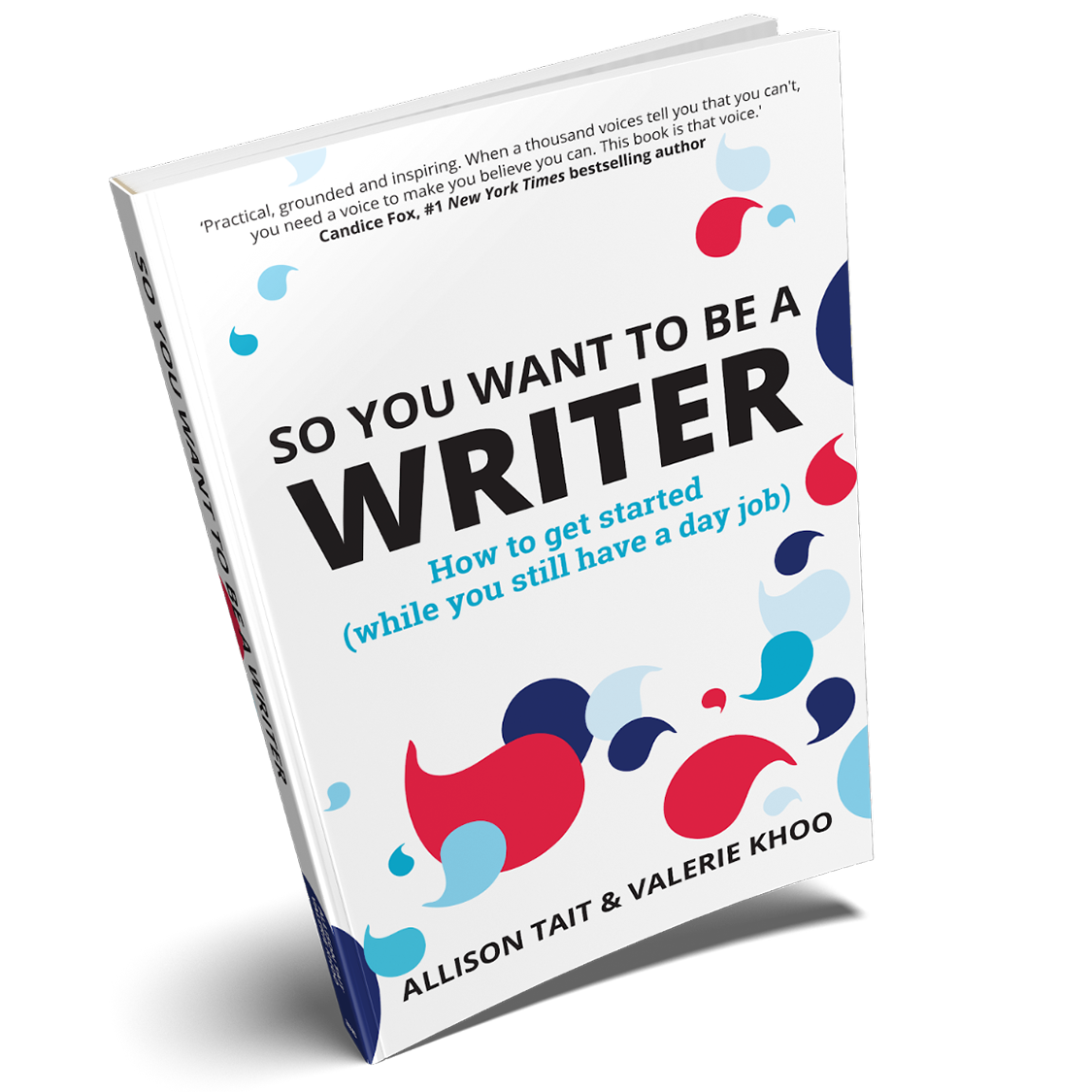
Or check out So You Want To Be A Writer (the book), where my co-author Valerie Khoo and I have distilled the best tips from hundreds of author and industry expert interviews. Find out more and buy it here.

0 Comments